Custom and Flash Are Two Different Ways to Start
The difference between custom and flash is not a difference between “serious” tattoos and “simple” tattoos. It is a difference in how the artwork begins.
Flash starts with artwork the artist has already drawn. Custom work starts with your idea and develops from there. Both can result in strong, personal tattoos when the design, placement, scale, and artist are a good match.
The better question is not which option is better in general. It is which process makes more sense for the tattoo you actually want.
If you already found a piece of flash that feels like it belongs on you, forcing it into a custom process does not make it more meaningful. On the other hand, if you are trying to combine several ideas, work around existing tattoos, fit a difficult placement, or build a larger project, a pre-drawn design may not give the artist enough room to solve the problem properly.
The goal in either case is the same: a tattoo that looks intentional on your body and still makes sense after the excitement of the appointment wears off.
What Is Tattoo Flash?
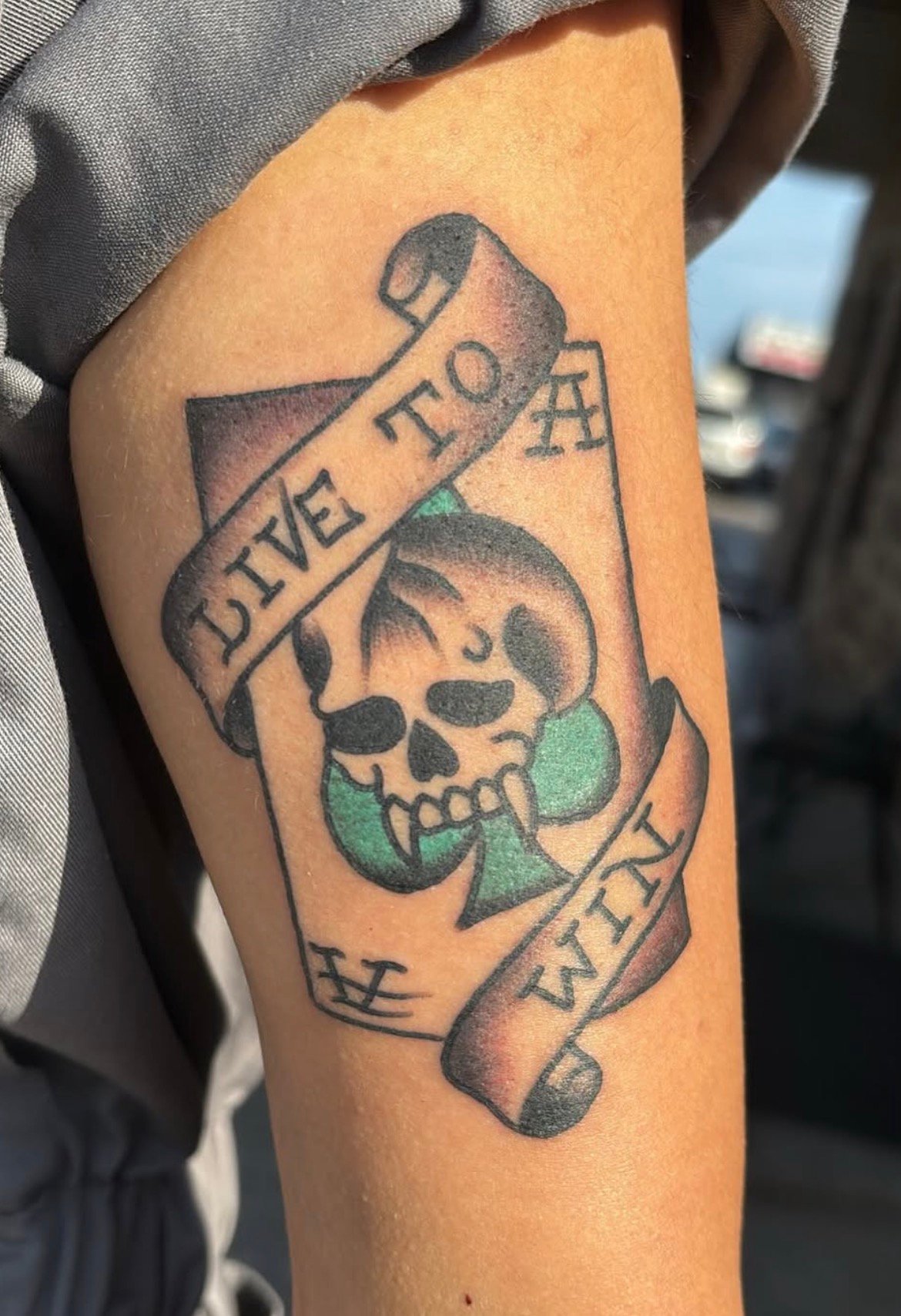
Flash is artwork an artist has already created and made available to tattoo. Some flash is drawn around a theme. Some comes from an artist experimenting with subjects or compositions they simply want to tattoo. Some pieces are small and straightforward; others can become substantial standalone tattoos.
The important point is that the core design already exists before you inquire.
That can be useful because you are not trying to imagine what the artist might eventually draw. You can already see the linework, composition, subject matter, and visual style in the piece itself. If you look at a flash design and immediately know you want to wear it, the process can be refreshingly direct.
The amount an artist is willing to modify flash varies. Small changes in size or placement are normal parts of fitting any tattoo to the body. Larger changes can turn the request into something closer to custom work.
If you love the basic idea but want to rebuild half the drawing, say that early rather than assuming the artist will treat an existing piece as a rough sketch.
Why People Choose Flash
Flash is especially strong when the artwork itself is what attracted you.
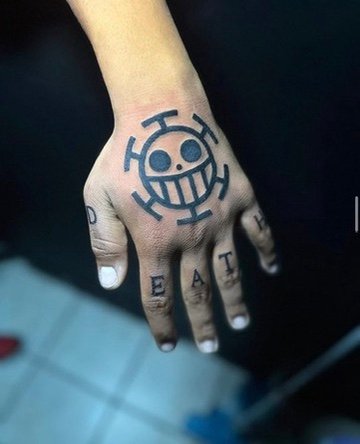
Maybe you follow an artist because you love the way they draw snakes, flowers, daggers, animals, lettering, ornamental work, or strange ideas you would never have thought of yourself. When that artist posts a design that immediately feels right, there is nothing incomplete about choosing it.
Flash can also work well for a first tattoo because it removes some of the pressure to invent a “perfect” concept. You are choosing finished artwork from an artist whose visual language you already trust.
It is useful for collection-building too. If you already have several tattoos, the right flash piece can fit naturally into open space without requiring a large custom design process.
The key is still placement and scale. Artwork that looks good on a phone screen still has to work on the actual part of the body where you plan to wear it.
Flash is not the shortcut version of a tattoo. Sometimes the finished design is exactly what made you want the tattoo in the first place.
Against the Grain
What Makes a Tattoo Custom?
A custom tattoo begins with information rather than finished artwork.
You may bring a subject, story, reference images, a certain mood, an existing tattoo that needs to be considered, or simply a general direction. The artist uses that information to build something around the project.
Custom does not mean you need to dictate every line.
In fact, custom work is usually strongest when the client is clear about what matters and gives the artist enough room to solve the visual problems. You can explain that you want a black-and-grey botanical piece wrapping around the upper arm, that a particular flower matters to you, and that you dislike heavy backgrounds. That gives the artist useful boundaries without asking them to reproduce another person’s tattoo.
The artist then has room to determine composition, scale, flow, negative space, and the technical choices that make the idea work on skin.
When Custom Work Makes More Sense
Custom work becomes especially valuable when the body itself is part of the design problem.
Large pieces, sleeves, sternum pieces, ribs, shoulders, backs, and tattoos that wrap around limbs all benefit from being designed with the placement in mind. The artwork has to account for curves, movement, existing pieces, and the way the tattoo will be seen from more than one angle.
Custom work is also often the better route when you are combining multiple references. You may love the composition of one image, the mood of another, and a specific subject from a third. The artist’s job is not to paste those references together. It is to understand what you respond to and create a coherent tattoo from that information.
Cover-ups and reworks are another obvious example. The artist has to design around what is already in the skin, which usually requires more planning than choosing a pre-drawn piece.
Explore Cover-Ups & ReworksReferences Are Direction, Not a Shopping List
Reference images are one of the most useful tools in a custom consultation when they are used well.
Bring images that show the style, composition, subject matter, level of detail, or mood you like. It can be just as useful to show examples of what you do not like. If you dislike heavy black backgrounds or extremely delicate linework, saying so helps narrow the direction.
What references should not become is an instruction to reproduce another artist’s tattoo line for line.
The strongest custom work comes from understanding the qualities you like and then allowing your artist to create something original for your body.
This is also why choosing the right artist matters so much. If you want your artist to draw naturally in the direction you like, their existing portfolio should already give you confidence.
Meet the Artists at Against the GrainRevisions, Collaboration, and Expectations
Custom does not mean an unlimited design committee.
Every artist has a process. The exact timing of when you see a design, how revisions are handled, and how much is finalized before the appointment can vary. The useful thing you can do as a client is communicate the non-negotiables early.
If the tattoo must include a specific symbol, if you absolutely do not want color, or if the piece needs to stop before a certain point on your arm, say that during the consultation. Major information delivered after the design is finished can force unnecessary rework.
At the same time, be open to technical feedback. An artist may suggest making the tattoo larger, moving an element, simplifying a tiny detail, or changing the orientation. Those recommendations are usually about how the tattoo will fit, heal, and age, not about taking control away from you.
Does Custom Automatically Cost More?
Not necessarily in a simple one-to-one way.
Tattoo pricing is affected by time, complexity, size, placement, detail, color, and the artist involved. A small flash piece may be quick. A large piece of flash may take hours. A custom tattoo can be relatively straightforward or become a multi-session project.
The better approach is to discuss the project honestly rather than assuming one category has a fixed price.
If budget matters, say so before the design is built. An artist may be able to adjust size or complexity without losing what makes the idea work.
Learn More About Tattoo Pricing at Against the GrainWhich Option Is Better for a First Tattoo?
Either can be.
Flash can reduce decision fatigue because you already know what the artwork looks like. Custom can be ideal when your first tattoo has a specific meaning, placement, or concept you have been thinking about for years.
What matters more than whether the piece is flash or custom is whether you understand what you are agreeing to.
Look at the artist’s work. Be realistic about scale. Ask questions about placement. Understand the process. Make sure the design feels right before tattooing begins.
If you are still figuring out the entire process, start with the parent guide.
The Complete Guide to Getting a Tattoo at Against the GrainThe Simplest Way to Decide
Choose flash when you already love the artwork.
Choose custom when the artwork still needs to be created around your idea, body, placement, or existing tattoos.
And if you are somewhere in the middle, that is exactly what a consultation is for. You do not need to know the correct industry label before you reach out.
Show us what you are thinking about. We can help determine which path makes the most sense.