Placement Is Part of the Design
A tattoo is not a sticker placed on a flat surface.
The body curves, bends, twists, stretches, and moves. A design that looks perfect as a rectangle on a screen may feel awkward once it is placed on a shoulder, forearm, rib cage, thigh, or calf.
Good placement makes the tattoo feel like it belongs where it is.
That can mean following the length of a limb, wrapping around a muscle, centering a design on a stable visual plane, or leaving enough room for future work.
Pain is part of the conversation, but it comes after the more important question: where does this tattoo actually work?
The Complete Guide to Getting a Tattoo at Against the GrainTattoo Pain Is Subjective
There is no universal pain score that can tell you exactly what a location will feel like.
People have different pain tolerances. The same person can also experience different sessions differently depending on sleep, stress, hydration, session length, and other factors.
That is why internet pain charts should be treated as rough orientation rather than a promise.
Certain areas are commonly described as more intense because the skin is thinner, the area is bony, or the placement is simply more sensitive. But knowing that does not tell you exactly how your tattoo will feel.
The better goal is to understand the tradeoffs and prepare realistically.
Pain lasts for the session. Placement lasts for the life of the tattoo.
Against the Grain
Outer Arm and Shoulder
The outer upper arm and shoulder are popular placements for a reason.
They provide useful surface area, can handle many different styles, and give the artist room to build a composition that follows the body.
They are also relatively easy to cover or show depending on clothing.
For larger work, the shoulder can transition naturally into the upper arm, chest, or back. That makes it a strong starting point if you think you may eventually expand the tattoo.
The exact pain experience varies, but many people consider these areas more approachable than ribs, sternum, hands, or feet.
Forearm
The forearm gives a tattoo high visibility and a relatively clear canvas.
It works well for vertical designs, illustrative pieces, lettering, traditional work, and compositions that can follow the length of the arm.
The biggest design decision is often orientation.
A tattoo can be positioned to read naturally when your arm is relaxed, face toward you, or interact with other pieces already on the arm. There is no single rule that works for every design.
Think about whether you want the tattoo to function as a standalone piece or become part of a larger sleeve later.
Thigh
The thigh provides a lot of room.
That makes it useful for detailed pieces that would feel cramped on smaller areas. The broad surface can support larger illustrative work, color, black and grey, traditional compositions, and designs that need room for readable detail.
It is also easy to cover with clothing.
For someone who wants a significant tattoo without immediately committing to a highly visible location, the thigh can be a strong option.
The inner thigh and areas closer to the knee can feel very different from the outer thigh, so “thigh tattoo” does not describe one exact pain experience.
Calf and Lower Leg
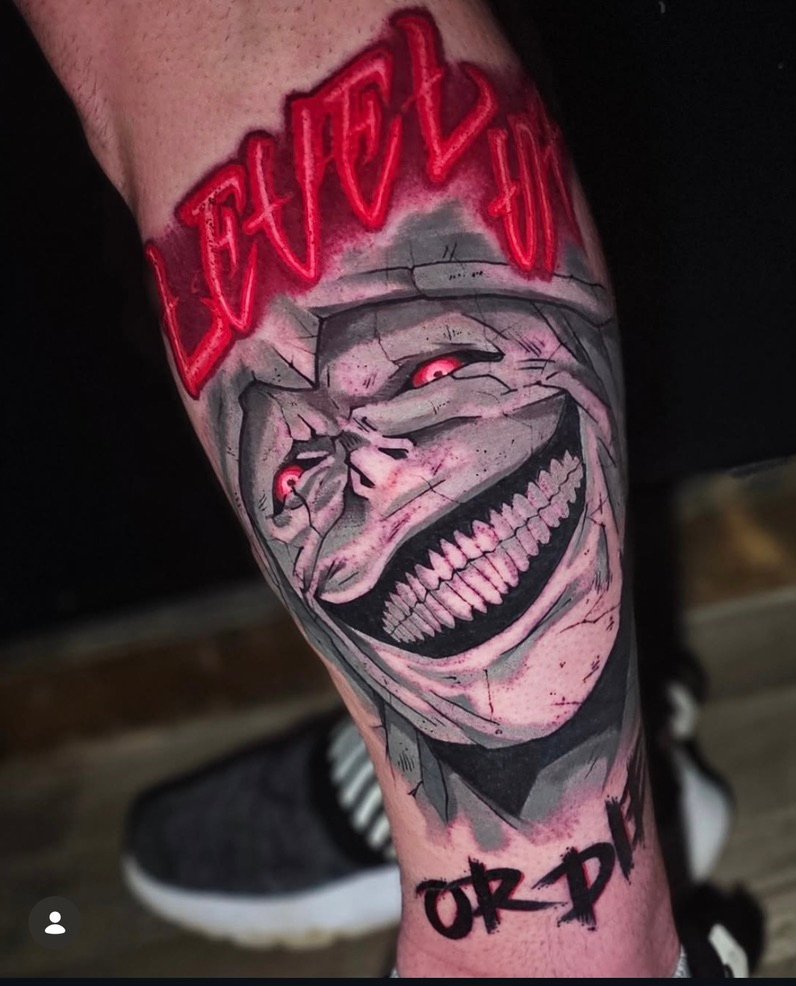
The calf can support strong vertical compositions and works well for many tattoo styles.
It is visible in shorts but easy to cover in pants, which gives you flexibility.
The lower leg also provides multiple surfaces: outer calf, inner calf, shin, and areas closer to the ankle all behave differently.
The shin can feel more intense for some people because of how close the work is to bone. The calf generally offers more soft tissue.
From a design standpoint, think about how the piece looks from the side and how it may interact with future tattoos around the leg.
Ribs and Side Body
Rib tattoos can look incredible because the placement naturally follows the torso.
They can also be demanding.
The area moves with breathing, the surface is curved, and many people consider the ribs more painful than fleshier locations.
That does not mean you should avoid the ribs if the design belongs there. It means you should choose the placement because it strengthens the tattoo, not because you underestimated what the session might feel like.
Larger rib pieces may also require a body position that becomes uncomfortable over a long appointment, which is worth considering when planning the session.
Sternum and Chest
Chest and sternum tattoos can become powerful central compositions.
The sternum, in particular, can be intense for many clients because of the bony anatomy and sensitivity of the area.
Design symmetry matters more in some chest placements because small differences can become visually obvious.
For sternum pieces, breathing and natural body movement also matter when placing the stencil.
These areas benefit from careful planning rather than trying to force an existing design into the space.
Back
The back is one of the largest canvases on the body.
It gives the artist room to create scale, detail, and movement that smaller areas simply cannot support.
A full back piece can become an entire visual environment rather than a single isolated object.
The tradeoff is commitment. Large back tattoos can require multiple sessions and a longer project timeline.
Different areas of the back can also feel different. Work near the spine, shoulder blades, or lower back may be experienced differently from broad muscle areas.
If the project is large, think in terms of the whole composition from the beginning rather than adding unrelated pieces until the space disappears.
Hands and Fingers
Hands and fingers are highly visible, high-use areas.
They experience constant washing, friction, movement, and exposure. That can make healing and long-term maintenance more demanding.
Small details can also be challenging because the available space is limited.
This does not make hand tattoos bad. It means the design has to respect the placement.
The artist may recommend bolder shapes, fewer tiny details, or a different scale than you imagined.
Hands are also difficult to hide, which makes the visibility of the tattoo worth considering before you commit.
Feet, Ankles, and High-Friction Areas
Feet and ankles come with similar practical considerations.
Shoes and socks create friction. The skin moves. The area can swell during healing. Some placements are close to bone.
If you are getting tattooed on the foot, think about your schedule afterward. Tight footwear can make the early healing period more uncomfortable.
Designs that wrap around the ankle also need to be planned carefully so they do not look distorted from normal viewing angles.
The practical realities of the placement matter just as much as the image itself.
Joints and High-Movement Areas
Elbows, knees, wrists, and other joints move constantly.
That movement affects both the tattoo session and healing.
The skin folds, stretches, and compresses differently than it does on flatter parts of the body.
Designs around joints often benefit from compositions that acknowledge the anatomy rather than pretending the joint is not there.
If a tattoo crosses an elbow or knee, the artist may build the design around the center point or use shapes that still read when the limb bends.
Placement and Aging
Pain lasts for the session. Placement lasts for the life of the tattoo.
That is why aging deserves at least as much attention as comfort.
Areas that experience high friction, constant washing, repeated movement, or significant sun exposure may require more maintenance over time.
Tiny delicate tattoos in high-wear locations can be especially demanding.
If your artist suggests moving a design slightly or increasing the scale, they may be trying to protect the long-term readability of the tattoo.
Placement and Future Tattoos
Think beyond the current piece if you already know you want more work later.
A small tattoo placed directly in the center of a large clean area can make future composition more complicated. That does not mean you need to plan your entire body on day one, but a little awareness helps.
If you think you may want a sleeve, large leg project, chest panel, or back piece, tell the artist.
They can help place the current tattoo in a way that leaves useful space.
Should You Choose a Less Painful Area Instead?
Sometimes, but not automatically.
If two placements work equally well and one is more comfortable, there is no prize for choosing the harder session.
But if the design clearly belongs in one location, moving it only because of pain may weaken the result.
Pain is temporary information. The tattoo is the permanent decision.
Talk through the options with your artist and choose the placement that balances design, lifestyle, healing, visibility, and your own tolerance.